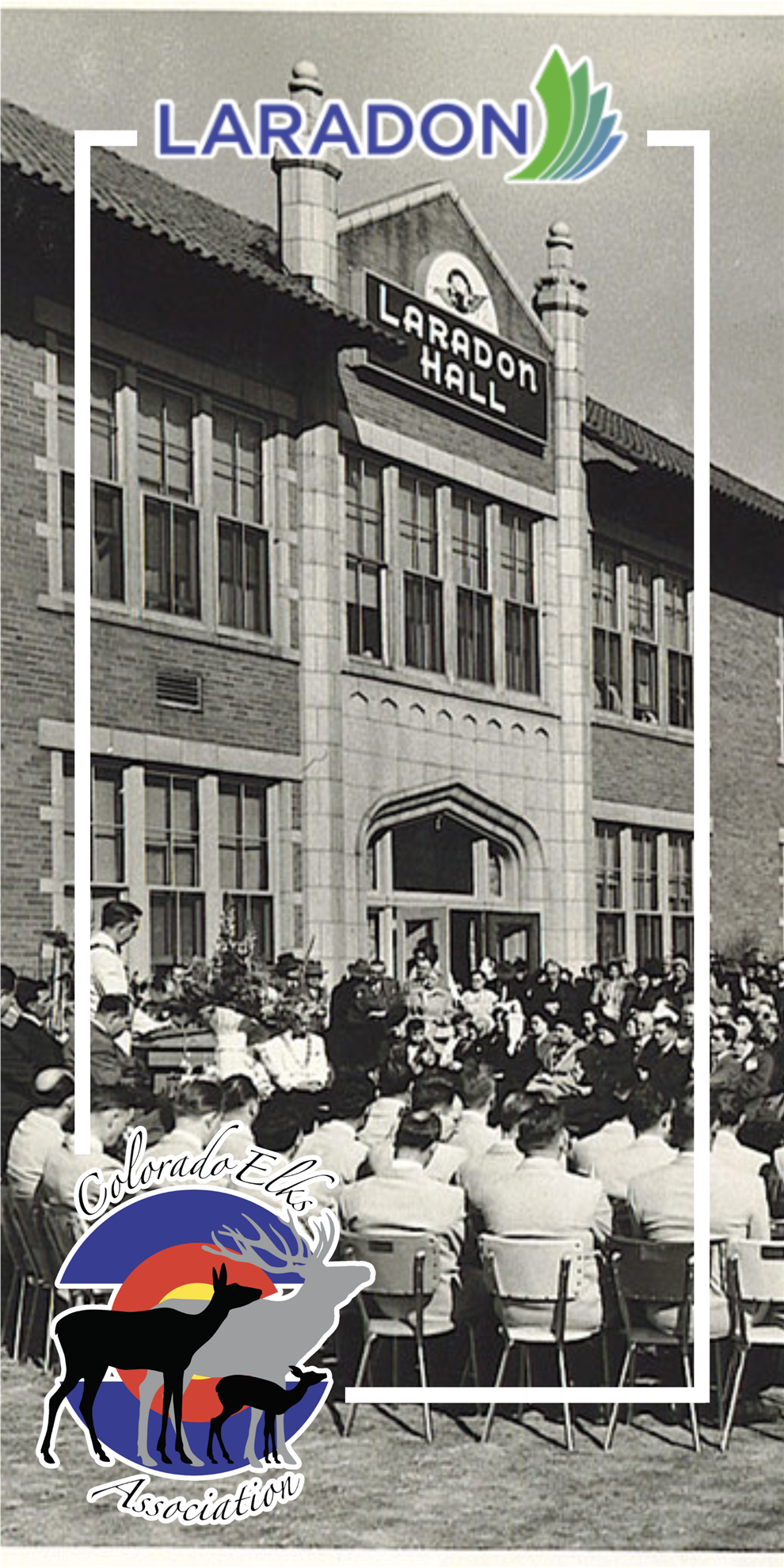
Laradon - Embracing Differences, Empowering Possibility
In 1948, Denver postman Joseph V. Calabrese faced a daunting challenge: finding a school for his developmentally disabled children. Inspired by necessity, Joe declared, "By golly, if there’s no place for my kids, I’ll start a school of my own!" With determination and his family's $10,000 life savings, Joe and his wife transformed a house into Colorado’s first school for children with developmental disabilities.
In 1950, the Colorado Elks Association proudly adopted Laradon as its State Major Project, purchasing an abandoned school in the Globeville neighborhood for $25,000. This generous act turned the Calabreses’ vision into reality, establishing Laradon as the first private, non-profit organization in the Rocky Mountain Region dedicated to providing individualized services and programming for intellectually and developmentally disabled children.
As Laradon has expanded its services and client base, the unwavering support from the Colorado Elks has been instrumental. Over the past 25 years, Elks organizations have contributed nearly $4 million to Laradon, ensuring the continuation of its vital programs. Funding is sourced from benefit dinners, special fundraising events, personal donations from members, estate bequests, and large grants from both state and national Elks associations.
Find Out More About Laradon
- Laradon.org - Embracing Difference. Empowering Possibilities.
- Online Donations - Make a contribution today!
Additional Resources
Join us in supporting this crucial cause by visiting www.Laradon.org to learn more and make a donation. Together, we can make a lasting impact on the lives of children with developmental disabilities.
Chair:
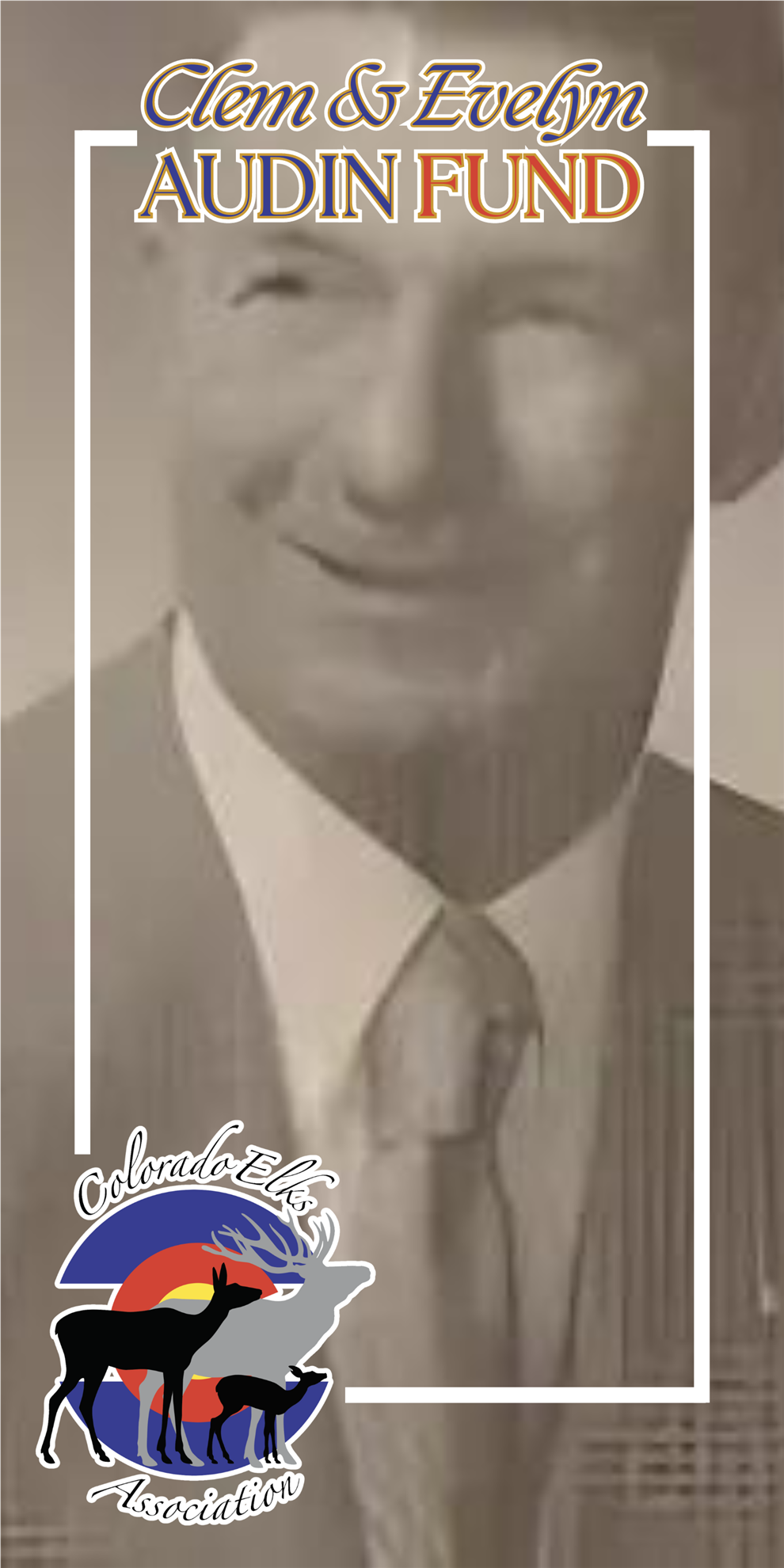
Clem & Evelyn Audin Fund
Established in 1975 by Evelyn Audin, the Clem & Evelyn Audin Fund young people in Colorado through education, health, development, and care. This fund specifically supports children under the age of 19, ensuring they receive the assistance they need to thrive.
About Clem Audin
Clem Audin, Jr., a member of Hotchkiss Elks Lodge #1807, tragically died in a coal mine accident on August 3, 1973. At the time, he was First Vice-President of the Colorado State Elks Association and was set to become State President. Clem was deeply involved in various Elks programs and held multiple leadership roles.
Endowment & Memorial Funds
In honor of Clem, his wife Evelyn established a $100,000 trust fund, with half of the annual interest supporting Hotchkiss Lodge and the other half benefiting the Colorado Elks Association. In 2016, the fund was renamed to recognize Evelyn’s contributions alongside Clem’s.
Additionally, the Clem Audin Memorial Fund was created in 1976 with an initial $1,000 donation from Montrose Lodge #1053. This fund continues to grow through contributions, with only the interest income used to assist young people in need.
Eligibility & Administration
A committee appointed by the Colorado Elks Association President manages the fund and its allocations for youth up to age 19. Eligible children can receive funding for various needs, including:
- Up to $500 per year for clothing, school supplies, registration fees, and related expenses.
- Up to $700 per year for verified medical situations.
Application & Resources
Chair: